
Ending Competition Means Higher Electricity Prices
Electricity Inflation Is Already Costing Consumers. Banning Competition Makes it Worse.
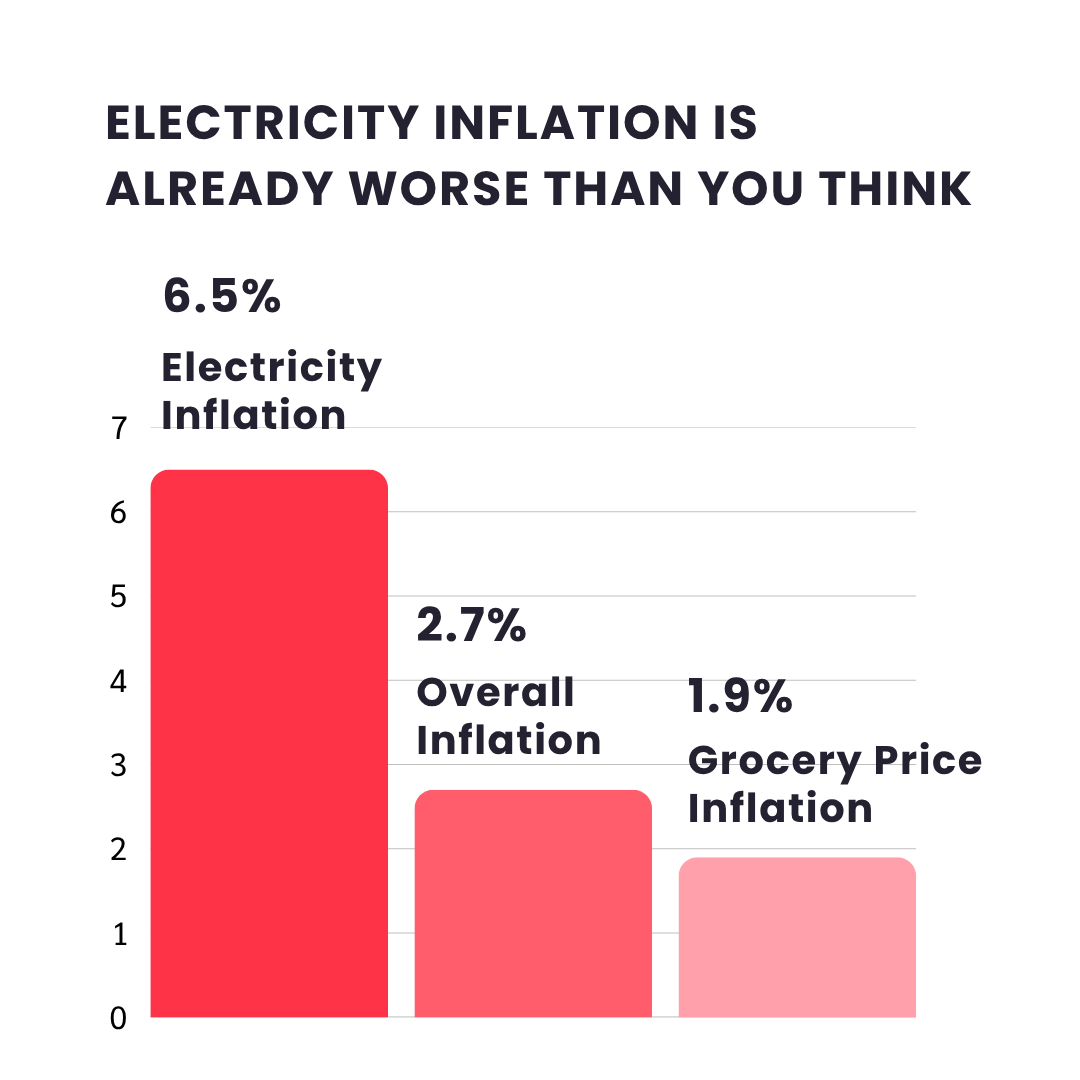
Americans are reeling from higher electricity prices, which is rising faster than overall inflation and far faster than the price of groceries.
A shocking 14 million Americans are in debt to their utility companies. Many are senior citizens on fixed incomes.
Unbelievably, some states continue to push legislation that would make prices even higher.
Right of First Refusal Laws Ban Competition and Raise Prices
Right of First Refusal legislation, or ROFR, eliminates cost-saving competition for transmission line construction projects. ROFR laws automatically grant current utility providers the right to build any new transmission lines in their service area. That has proven and adverse impacts on consumers.
Right of First Refusal (ROFR) laws:
Eliminate competitive bidding
Remove cost discipline and cost caps
Increase the risk of major cost overruns
Lock higher transmission costs into rates
ROFR Laws Fan the Flames of Electricity Inflation
There’s no denying competition saves consumers millions. Look at the difference:
Proven Consumer Savings from Competition
Over $300 million in verified consumer savings from competitively bid transmission projects.
$87 Million Saved
Fairport–Denny (MISO Tranche 1)
$161M original estimate → $74M winning bid
$200+ Million Saved
Beckham–Potter (SPP)
Winning bids came in more than $200M below estimates
Plus $21M in additional savings from the selected bid
$14 Million Saved
Matheson–Redbud (SPP)
Lower cost and superior engineering design
$6 Million Saved
Reid EHV to Indiana/Kentucky Border
Lower upfront costs
Plus 40-year cost caps protecting consumers

Cost overruns are passed straight to ratepayers
Transmission projects built without competition routinely exceed budgets.
+271% Cost Increase
Mystic–Woburn 115 kV (ISO-NE)
$70M estimate - $260M final cost
+154% Cost Increase
Mars–Dulles Substation (PJM)
$114M estimate - $290M final cost
+197% Cost Increase
East Towson Substation & Loop (PJM)
$93M estimate - $276M final cost
+114% Cost Increase
Phantom–Crossroad–Potter 765 kV (SPP)
$1.69B estimate - $3.62B final cost

Competition works —>
Builders compete
Costs stay down
Ratepayers win
Watch to Learn about the ROFR Rip Off
Competition Means Better Prices
“The more competition you have in any sort of business venture can result in better prices and better products for the consumer.”
Higher Electric Bills at Stake
“It's important that the electric bills stay stable and manageable.”
ROFR nightmare in Minnesota - Consumers will be paying more for transmission lines
43% to 50%+ Price Increases


Minnesota adopted a ROFR law in 2012. According to the Star Tribune a year later:
“State laws in Minnesota, North Dakota and South Dakota, three of the eight states where Xcel operates, discourage competitive transmission projects. Xcel supported passage of those competition-limiting measures.”
“MISO has opened another review of a second project…prompted again by construction cost overruns…Joint developers Minnesota Power and Great River Energy have revised costs to build the line from originally estimated $970 million to $1.39 billion.
“The price of a massive Xcel Energy Transmission line across southwest and central Minnesota - which would connect more wind and solar farms - has more than doubled to $1.14 billion.”
Competition can save consumers 20-30% on transmission construction costs - a savings that ROFR eliminates.
“If all new transmission projects were competitively bid … ratepayers could save an estimated $840 billion by 2050.”
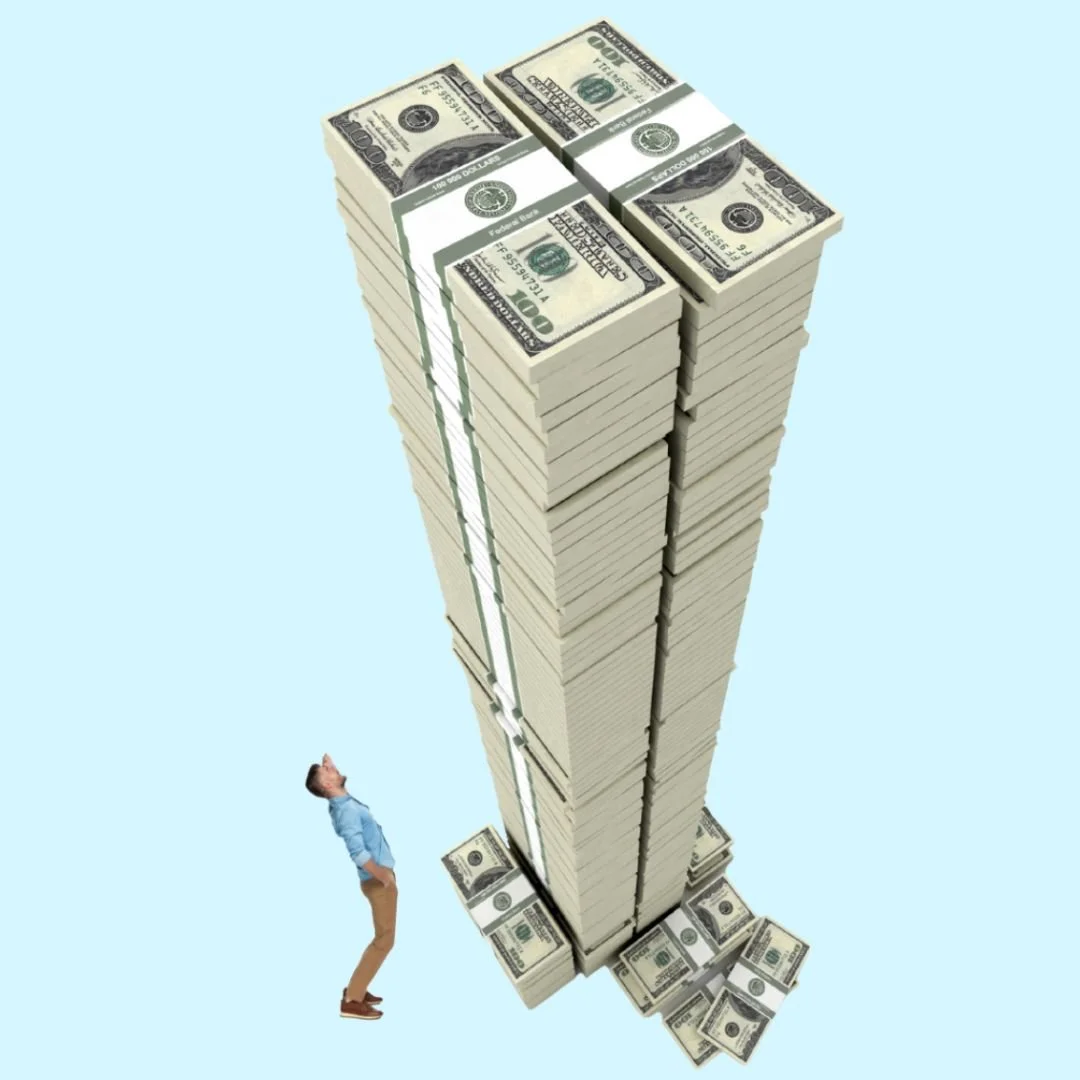
“Where electricity transmission competition has been allowed, it was shown to have an estimated range of cost savings from 15% to 60% for new transmission projects. It has also played critical roles in bringing innovation to the transmission system and connecting needed renewable energy sources to the electricity grid. Assuming a conservative estimate, if only 33% of new transmission projects were competitively bid and there is an average cost savings of 40%, ratepayers could save an estimated $277 billion. If all new transmission projects were competitively bid at an average cost savings of 40%, ratepayers could save an estimated $840 billion by 2050.”

States with ROFR Losing in Court
States passing ROFR laws suffered high-profile defeats recently, showing that attempts to stifle competition will only delay needed transmission projects and force taxpayers to foot costly legal bills.
79%
Think utility special legislation wastes money on lawyers and lawsuits.
Voters in Illinois are concerned that ROFR laws will lead to costly litigation, according to an AFEP survey of voters there.

Stay Informed Before Your Prices Increase
Sign up for our early warning email list so you aren’t blindsided by efforts to eliminate competition in your state.